
Wrongful Death Lawyers
in Fort Lauderdale
Losing a loved one is one of the most profoundly devastating experiences a family can endure. And when that loss is the result of another party’s negligence, recklessness, or intentional misconduct, the grief is often compounded by a profound sense of injustice.
At Barnett Fenton Injury Law, P.A., we understand the heavy emotional and financial toll these tragedies take on a household. We are committed to standing alongside families as they navigate the complex legal landscape of a wrongful death claim, fighting to achieve the justice their loved ones deserve.
Understanding the Florida Wrongful Death Act
In Florida, wrongful death claims are strictly governed by state law rather than by common law. The Florida Wrongful Death Act outlines the specific definitions, procedures, and rights associated with these complex claims.
The law’s stated intent is to shift the financial losses resulting from a wrongful death from the survivors of the decedent to the wrongdoer, which means that if an individual loses their life as a result of the wrongful act, negligence, default, or breach of contract of another person or entity, the responsible party can be held legally liable in civil court (which is entirely separate from any criminal proceedings that may occur).
Common Causes of Motorcycle Crashes
in Fort Lauderdale
Motor Vehicle Accidents
Fatalities resulting from car, commercial truck, and motorcycle accidents remain a leading cause of wrongful death.
Medical Malpractice
When healthcare providers fail to meet the accepted standard of care, the results can be fatal. Surgical errors, delayed diagnoses, and serious medication mistakes are common examples.
Premises Liability
Property owners have a legal duty to maintain safe environments for visitors. Fatalities can arise from slip and fall accidents, negligent security leading to fatal assaults, or hazardous structural conditions on commercial or private property.
Workplace Accidents
Certain industries, particularly construction and manufacturing, pose high risks. Fatalities can result from falls from heights, heavy machinery accidents, or long-term exposure to toxic substances.
Who Can File a Wrongful Death Lawsuit in Florida?
Unlike some jurisdictions where any close family member can initiate a claim, Florida law is highly specific regarding who possesses the legal standing to file a wrongful death lawsuit.
According to the state’s statutes, the civil claim must be brought forward by the personal representative of the deceased person’s estate; this individual is often explicitly named in the decedent’s will or estate plan. If there is no will, a probate court will appoint a personal representative to act on behalf of the estate.
Although the personal representative formally files the lawsuit, they do so on behalf of the deceased person’s estate and any surviving family members who are legally entitled to recover damages. Under Florida law, eligible “survivors” typically include the following, in order of precedence:
- The deceased person’s legal spouse.
- Minor children of the deceased.
- Adult children, in certain circumstances (such as when there is no surviving spouse).
- Parents of the deceased person (particularly if the deceased was a minor child).
- Other blood relatives or adoptive siblings who were wholly or partly dependent on the deceased for financial support or necessary services.
Types of Damages Available in a Wrongful Death Claim
The financial and emotional impacts of losing a family member are immeasurable, but the civil justice system seeks to provide financial restitution to help families stabilize their lives and move forward. The damages awarded in a Florida wrongful death case are broadly categorized into those recovered directly by the survivors and those recovered by the estate itself.
Damages Recoverable by Survivors
Surviving family members may be entitled to compensation for their direct personal and financial losses. Under Florida law, these damages often include the following:
-
Loss of Support and Services:
Compensation for the value of the financial support and household services the deceased would have provided had they lived out their natural life expectancy. -
Loss of Companionship and Protection:
Spouses can seek recovery for the loss of their partner's companionship, daily guidance, and protection. -
Mental Pain and Suffering:
Spouses, minor children, and, in some cases, parents, can recover compensation for the profound emotional anguish and grief caused by the sudden loss. -
Medical and Funeral Expenses:
Survivors who directly paid out-of-pocket for the deceased person's final medical care and funeral arrangements can seek full reimbursement.
Damages Recoverable by the Estate
The personal representative may also recover distinct damages on behalf of the estate, which are then distributed according to the decedent’s will or Florida’s intestacy laws. These typically encompass the following:
-
Lost Net Accumulations:
The projected income, benefits, and savings the deceased would have reasonably accumulated over their expected lifetime, leaving an inheritance for the estate. -
Medical and Funeral Expenses:
If the estate paid for these final expenses out of the deceased's assets rather than a survivor paying out-of-pocket, the estate is entitled to reimbursement.
Wrongful Death vs. Survival Actions in Florida
In addition to a wrongful death lawsuit, Florida law also recognizes what is known as a survival action. While a wrongful death claim is primarily designed to compensate the surviving family members for the losses they have suffered due to the death, a survival action is brought on behalf of the deceased person’s estate to recover damages for the injuries the deceased suffered before their death.
For example, if an individual is severely injured in a Fort Lauderdale car crash and survives in the hospital for a period of time before ultimately succumbing to their injuries, they may have accrued substantial medical bills, lost wages, and conscious pain and suffering during that interim period. A survival action allows the estate to recover compensation for these pre-death damages.
Building a Strong Wrongful Death Case
Successfully resolving a wrongful death claim requires a meticulous approach to evidence gathering and legal argumentation. To hold the responsible party accountable, your legal team must establish four fundamental elements of negligence:
1
Duty of Care
Proving that the defendant owed the deceased person a legal obligation to act reasonably and safely under the circumstances.
2
Breach of Duty
Demonstrating that the defendant failed to uphold that obligation through a careless, reckless, or intentional act.
3
Causation
Establishing a direct link between the defendant’s breach of duty and the fatal injuries sustained by your loved one.
4
Damages
Showing that the death resulted in quantifiable losses for the estate and the surviving family members.
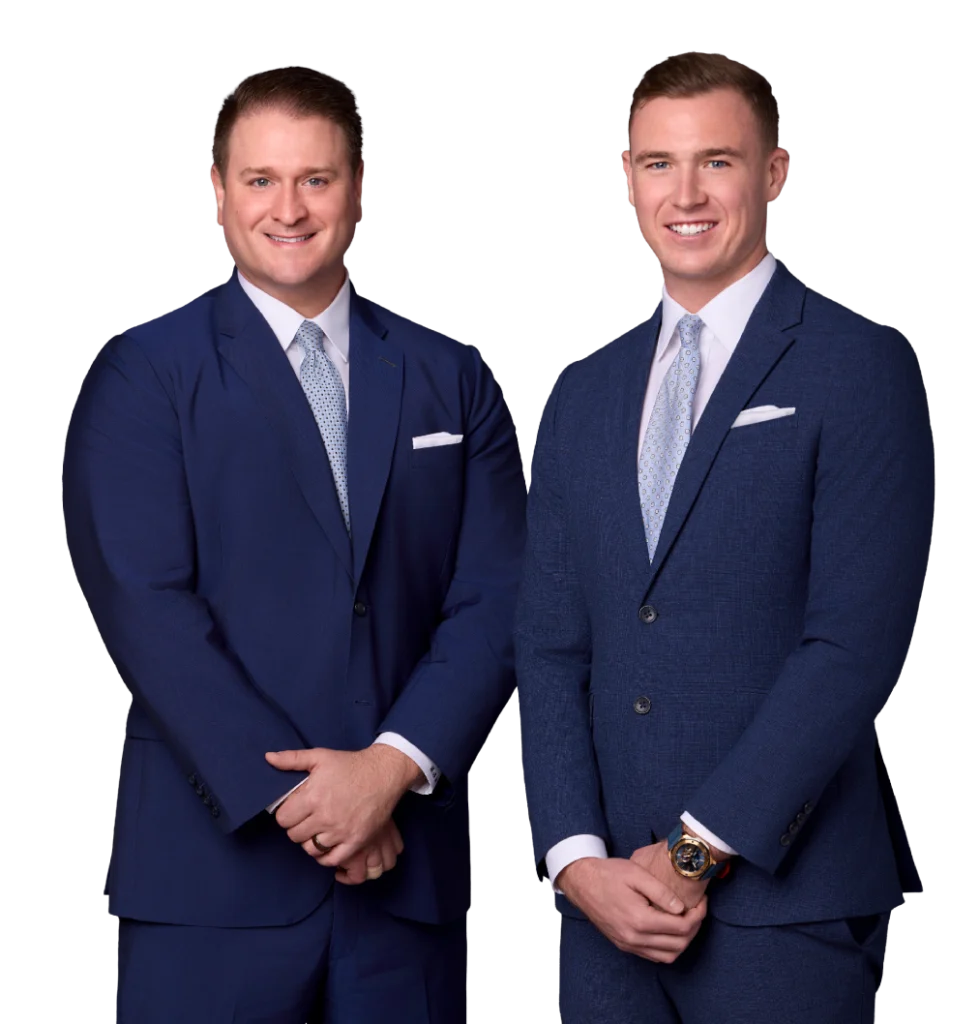
Fort Lauderdale Wrongful Death Lawyers at Barnett Fenton Injury Law, P.A., Provide Compassionate Legal Support
Navigating the aftermath of a fatal accident is overwhelming. The Fort Lauderdale wrongful death lawyers at Barnett Fenton Injury Law, P.A., shoulder the legal complexities so that you can focus entirely on healing and honoring the memory of your loved one. If you have lost a loved one as a result of someone else’s negligence in Fort Lauderdale or the surrounding South Florida areas, call us today at 954-736-3070 or fill out our online contact form to schedule your free consultation. Our office is located in Fort Lauderdale, FL, and we serve clients in the surrounding area.