
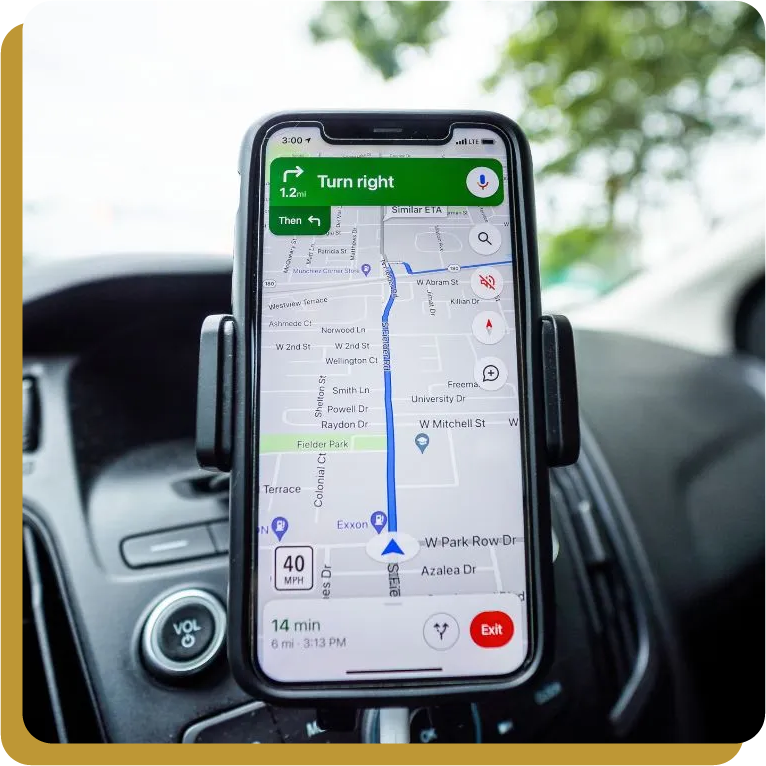
Rideshare services such as Uber and Lyft have become a major part of daily transportation in Fort Lauderdale. Whether traveling along Las Olas Boulevard, commuting on I-95, or heading to Fort Lauderdale-Hollywood International Airport, thousands of residents and visitors rely on these services every day. Although convenient, rideshare vehicles also contribute to a growing number of car accidents across Broward County.
Accidents involving Uber and Lyft can be more complicated than typical car crashes. Multiple insurance policies, driver status at the time of the crash, and Florida’s no-fault laws all play a role in determining what happens next. Understanding how these cases work can help injured individuals protect their rights and make informed decisions.
Fort Lauderdale’s busy roads and high tourism levels create conditions where rideshare accidents are more likely to occur. Drivers often rely on GPS navigation while managing traffic, passengers, and frequent stops.
Popular areas such as Las Olas, A1A, and downtown Fort Lauderdale see heavy congestion, especially during peak hours and tourist seasons. Rideshare drivers frequently stop, merge, or change lanes suddenly to pick up or drop off passengers.
Driver fatigue can also play a role. Many rideshare drivers work long hours or drive late at night, increasing the risk of delayed reaction times.
Unlike standard car accidents, rideshare crashes often involve multiple layers of insurance coverage. The driver’s status at the time of the accident is critical.
If the driver is not logged into the app, their personal auto insurance typically applies. If the driver is logged in but has not accepted a ride, limited rideshare insurance coverage may apply. Once a ride is accepted or a passenger is in the vehicle, a larger commercial insurance policy is usually in effect.
These distinctions can make determining liability more complex than in a typical accident.
Liability in a Fort Lauderdale rideshare accident depends on how the crash occurred and who was involved.
The rideshare driver may be responsible if their negligence caused the accident. Other drivers on the road may also share liability if they contributed to the crash.
In some cases, additional parties could be involved. For example, if poor road conditions or defective vehicle parts played a role, other entities may be considered.
Determining liability often requires a detailed review of the facts, including driver activity, traffic conditions, and available evidence.
Florida follows a no-fault insurance system. This means that after an accident, your own personal injury protection (PIP) coverage typically pays for initial medical expenses and lost wages, regardless of fault.
However, if injuries are serious, you may be able to pursue a personal injury claim against the at-fault party. Serious injuries may include permanent impairment, significant scarring, or long-term medical issues.
Rideshare accidents can involve additional insurance coverage, which may provide compensation beyond standard PIP benefits.
Individuals injured in Uber or Lyft accidents may be able to recover compensation depending on the circumstances of the crash. This may include:
In more serious cases, compensation may also address long-term impacts, such as ongoing treatment or reduced earning capacity.
The type and amount of compensation depend on factors such as the severity of the injuries and the available insurance coverage.
Florida law generally sets a time limit for filing personal injury claims. In many cases, this period is two years from the date of the accident.
Missing this deadline may prevent you from pursuing compensation, so it is important to act within the required timeframe.
Not always. Coverage depends on the driver’s status at the time of the accident.
Yes. Passengers are rarely at fault and may be able to pursue compensation through applicable insurance policies.
You may be able to file a claim against the at-fault driver’s insurance, in addition to any applicable rideshare coverage.
Yes. Multiple insurance policies and driver status can make these cases more complex.
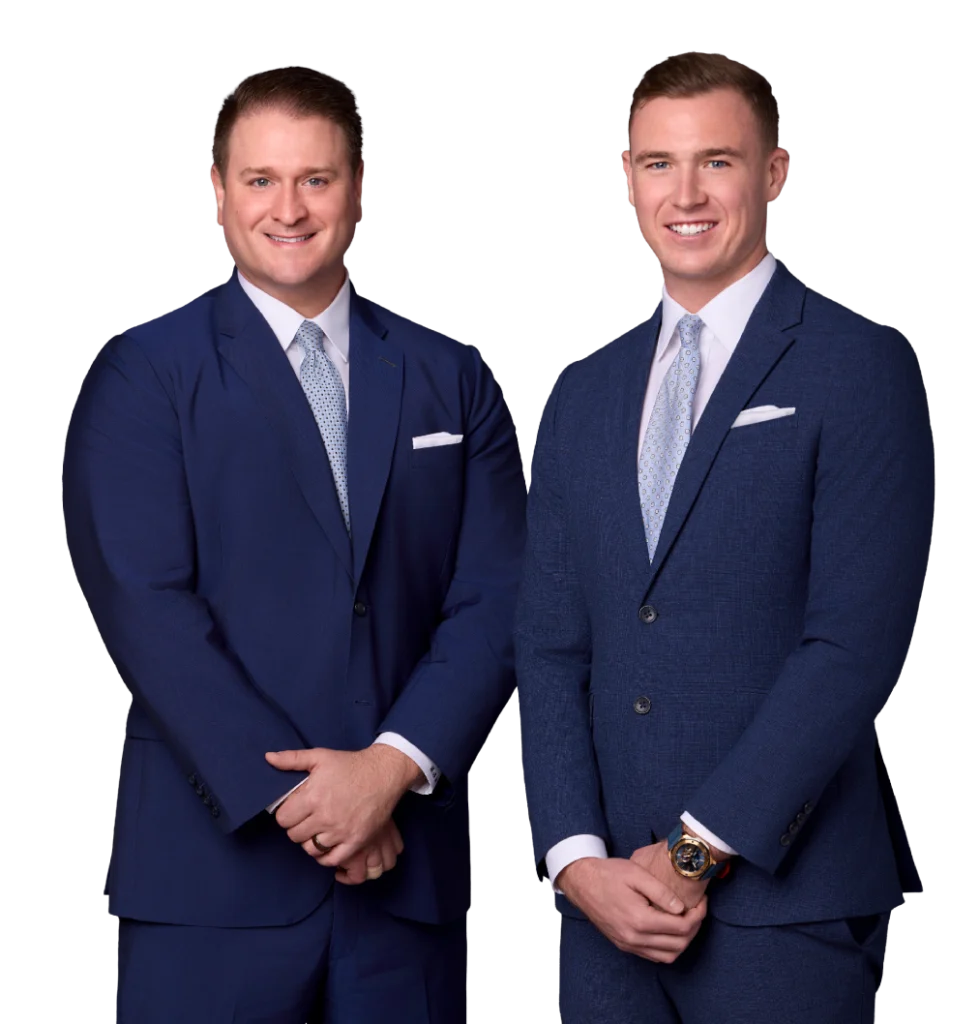
Rideshare accidents can involve complex legal and insurance issues, especially in a busy area like Fort Lauderdale. Understanding how liability, insurance coverage, and Florida law apply to your situation is an important step after a crash. Working with the Fort Lauderdale Uber and Lyft accident lawyers at Barnett Fenton Injury Law, P.A., can help you navigate the process and move forward with confidence. Call us today at 954-736-3070 or fill out the online form for a free consultation. With offices located in Fort Lauderdale, FL, we proudly serve clients across the region.