
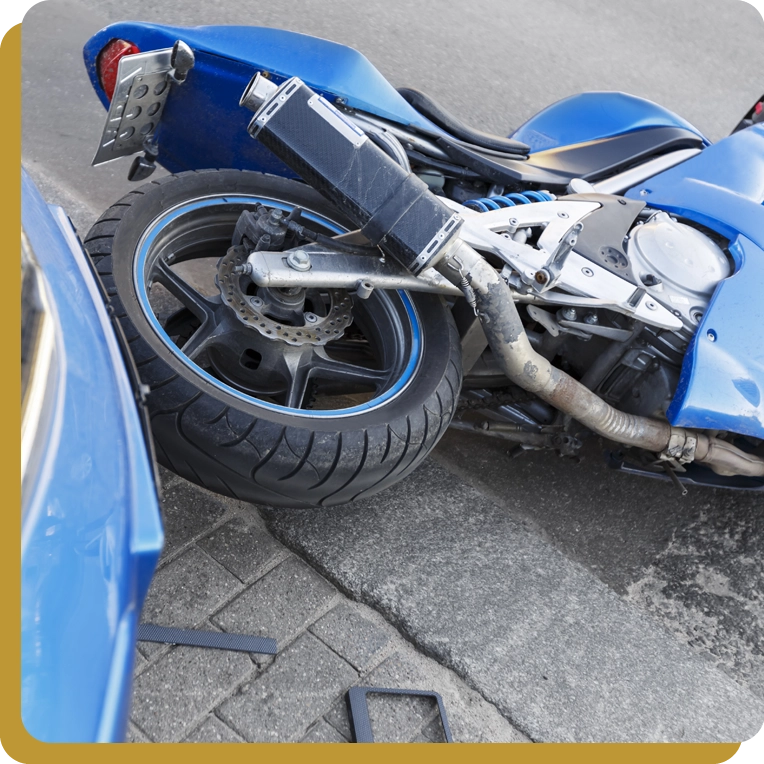
Fort Lauderdale
Motorcycle Accident Attorneys
South Florida offers riders beautiful weather, scenic coastal routes, and a thriving riding culture year-round. But the roads of Fort Lauderdale present unique dangers for motorcyclists: Increased tourism, heavy commuter traffic, and unpredictable drivers significantly elevate the risk of a collision.
When a motorcycle and a passenger vehicle collide, the rider inevitably bears the brunt of the impact. And unlike car occupants who are shielded by steel frames, seat belts, and airbags, motorcyclists are fully exposed to the road and surrounding vehicles.
If you or a loved one has suffered injuries in a motorcycle accident, the motorcycle accident attorneys at Barnett Fenton Injury Law, P.A., can help.
Common Causes of Motorcycle Crashes
in Fort Lauderdale
- Left-Hand Turns by Passenger Vehicles: One of the most dangerous situations for a motorcyclist is a car making a left-hand turn at an intersection. Often, drivers misjudge the speed of an approaching motorcycle or fail to see it entirely, turning directly into the rider's path and causing a high-speed, head-on collision.
- Distracted Driving: Texting, talking on the phone, adjusting a navigation system, or speaking to passengers takes a driver's attention away from the road. A driver looking down at their phone for just a few seconds can easily drift into a motorcyclist's lane or fail to stop in time at a red light.
- Unsafe Lane Changes: Drivers who fail to check their blind spots or use their turn signals before changing lanes can easily sideswipe a motorcycle.
- Rear-End Collisions: A low-speed rear-end collision might just result in a minor fender-bender for two cars. However, if a car rear-ends a motorcycle, the impact can launch the rider from the bike, leading to catastrophic physical trauma.
- Road Hazards: Motorcycles are much more susceptible to poor road conditions than passenger vehicles are. Potholes, uneven pavement, loose gravel, grass clippings, and debris can cause a rider to lose control and crash without ever making contact with another vehicle.
Common Injuries Sustained in Motorcycle Accidents
The forces exerted on the human body during a motorcycle crash are extreme, as riders can be thrown from their bikes, crushed underneath vehicles, or dragged across the abrasive pavement. Common injuries include the following:
Traumatic Brain Injuries (TBIs)
Concussions, skull fractures, and severe brain bleeding can occur, even if the rider was wearing an approved helmet. TBIs often lead to long-term cognitive impairment and motor skill deficits.
Spinal Cord Injuries
Trauma to the neck or back can result in partial or total paralysis.
Road Rash
When a rider slides across the asphalt, the friction can tear away layers of skin, fat, and muscle. Severe road rash is incredibly painful, highly prone to infection, and often requires extensive skin grafting surgeries.
Fractures and Broken Bones
Riders often suffer shattered legs, arms, ribs, and pelvises upon impact with the ground or a steel vehicle frame.
Internal Organ Damage
Blunt force trauma to the chest or abdomen can rupture vital organs.
Florida’s Statute of Limitations for Personal Injury Claims
In March 2023, the state enacted significant tort reform, which shortened Florida’s statute of limitations for general negligence claims to two years.
In other words, you generally have two years from the date of your motorcycle accident to initiate formal legal proceedings against the at-fault party. Failing to file within this window will likely result in the court permanently dismissing your case.
Does Florida's No-Fault Insurance Cover Motorcycle Riders?
No. Florida’s Personal Injury Protection (PIP) system only applies to vehicles with four or more wheels, which means motorcyclists are excluded from no-fault coverage entirely. If you are injured on your bike, your own auto policy’s PIP benefits will not pay your medical bills or lost wages.
There is a silver lining: because riders are outside the no-fault system, you are not required to meet Florida’s serious injury threshold before pursuing the at-fault driver. You can bring a claim for the full extent of your damages, including pain and suffering, from day one. The tradeoff is that your recovery depends entirely on proving the other driver’s fault, which makes early investigation and strong legal representation especially important for motorcyclists.
Can I Still Recover Compensation if I Wasn't Wearing a Helmet?
Yes. Florida law allows riders 21 and older to ride without a helmet as long as they carry at least $10,000 in medical benefits coverage. If you were riding legally without a helmet when another driver caused your crash, your right to pursue compensation remains intact.
That said, expect the insurance company to raise it. Adjusters frequently argue that helmet non-use contributed to your injuries in an effort to reduce your payout, even when you were fully within your rights under Florida law. These arguments can often be disputed, particularly when your injuries would have occurred regardless of a helmet. An experienced motorcycle accident attorney can push back against these tactics and keep the focus where it belongs: on the driver who caused the crash.
What to do after a Motorcycle Accident
The moments following a crash are chaotic, painful, and deeply stressful. Take these steps to protect your health and your legal rights:
1
Seek Medical Attention Immediately
Your health is the absolute top priority. Even if you believe your injuries are minor, the surge of adrenaline can mask severe internal trauma. Get a comprehensive medical evaluation as soon as possible.
2
Contact Law Enforcement
Call 911 to report the crash. An official police report provides an objective record of the scene, the parties involved, and initial assessments of fault.
3
Document the Scene
If you are physically able, take photos of the vehicles, your injuries, skid marks, road conditions, and any relevant traffic signs. Collect the names and contact information of any bystanders who witnessed the crash.
4
Do Not Admit Fault
Be cooperative with the police, but do not apologize or speculate about what happened. Simply state the facts as you know them without assigning blame to yourself.
5
Avoid Speaking to the Insurance Adjuster Alone
Insurance companies often attempt to quickly settle claims for far less than they are realistically worth. They may also use your recorded statements against you to minimize your payout.
Frequently Asked Questions About Fort Lauderdale Motorcycle Accidents
How long do I have to file a motorcycle accident claim in Florida?
You generally have two years from the date of the accident under Florida’s statute of limitations. Missing the deadline will likely bar your claim entirely.
Does PIP insurance cover motorcycle accidents in Florida?
No. Florida’s no-fault PIP coverage only applies to vehicles with four or more wheels, so injured riders can pursue the at-fault driver directly for their full damages.
Is lane splitting legal in Florida?
No. Riding between lanes of traffic is illegal in Florida, and insurers may use it to argue you were at fault for the crash.
Can I recover compensation if I wasn't wearing a helmet?
Yes. Riders 21 and older can legally ride without a helmet in Florida if they carry the required medical coverage, and helmet non-use does not bar your claim.
What if the driver says they never saw me?
That is one of the most common defenses in motorcycle cases, and it is not an excuse. Drivers have a duty to watch for motorcycles, and evidence like witness statements and crash reconstruction can prove they failed to look.
Understanding Modified Comparative Negligence
Florida operates under a modified comparative negligence system. If you are found to be partially at fault for the accident, your financial recovery will be reduced by your percentage of fault. If you are found to be more than 50 percent responsible, you may be barred from recovering any compensation at all.
Insurance companies frequently exploit this law by unfairly blaming the motorcyclist to protect their profit margins. Having a strong legal advocate is vital to dispute these allegations and ensure liability is placed squarely where it belongs.
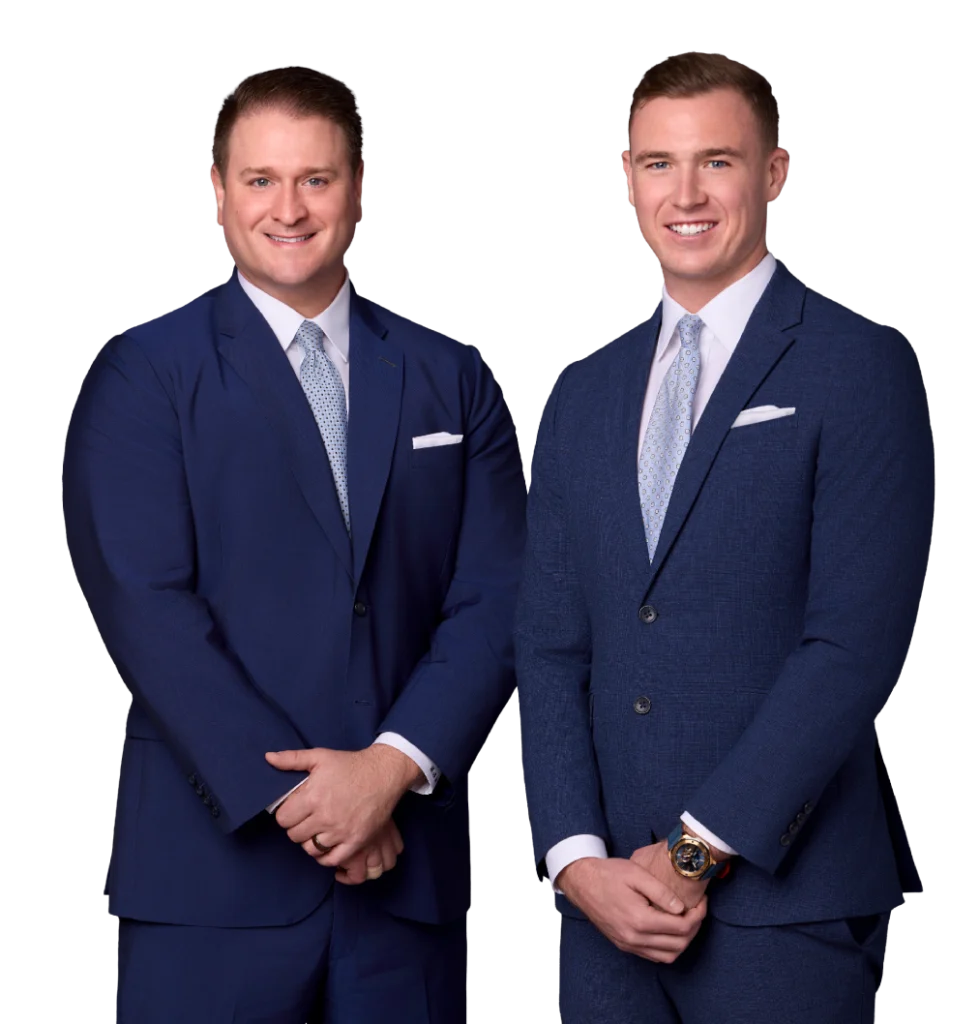
Fort Lauderdale Motorcycle Accident Attorneys at Barnett Fenton Injury Law, P.A., Help You Take the Next Step
If you or a loved one has been injured in a motorcycle accident in South Florida, do not wait to seek legal guidance. The Fort Lauderdale motorcycle accident attorneys at Barnett Fenton Injury Law, P.A., will investigate the crash scene, analyze police reports, consult with accident reconstructionists, and gather vital medical records to establish liability and demonstrate the full extent of your economic and non-economic damages. Call us at (954) 736-3070 or fill out our online contact form to schedule a free consultation today.