
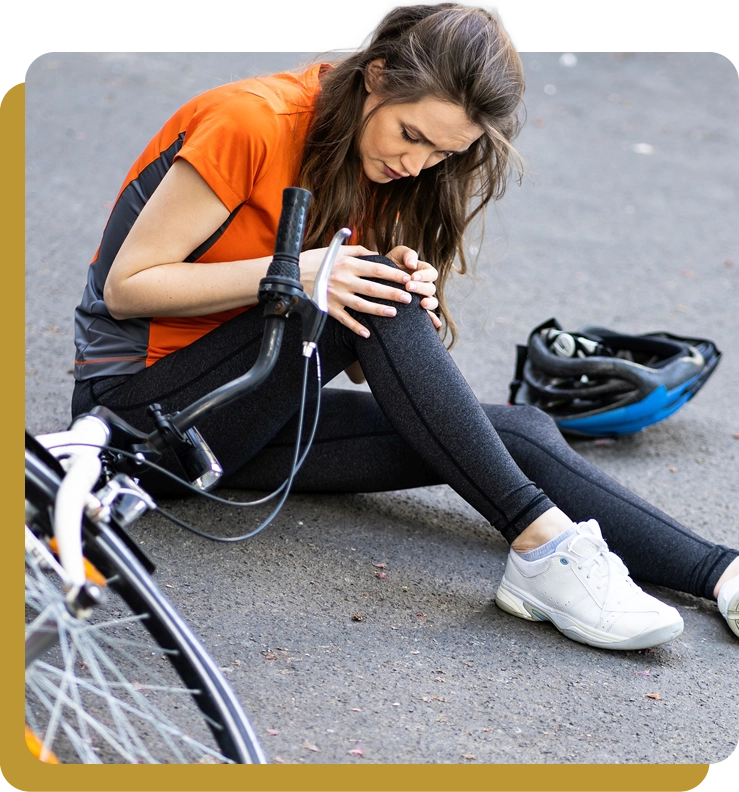
Fort Lauderdale is known for its coastal roads, active lifestyle, and growing network of bike lanes. Areas such as Las Olas Boulevard, A1A, and downtown corridors see constant bicycle traffic from both residents and visitors. Although cycling is a popular way to get around Broward County, it also exposes riders to risks when sharing the road with motor vehicles.
Bicycle accidents in Fort Lauderdale can lead to serious injuries and complicated legal issues. Understanding how Florida law applies can help injured riders protect their rights and take the next steps. With the city’s mix of local commuters, tourists, and rideshare drivers, traffic patterns can change quickly, increasing the likelihood of unexpected collisions.
After a bicycle accident, safety should come first. Calling 911 ensures that emergency responders arrive and that the incident is documented.
Seeking medical attention is important, even if injuries seem minor at first. Bicycle accidents can involve injuries that are not immediately visible. Gathering evidence at the scene, including photos, witness information, and driver details, can also be helpful.
In Fort Lauderdale, where traffic can be heavy along major roads and beach routes, proper documentation can make a difference when determining fault. Keeping records of medical visits and expenses can also support your claim later.
Liability depends on the circumstances of the crash. In many cases, a driver may be responsible if they were distracted, speeding, or failed to yield.
Other parties may also be involved. A government entity could be responsible if unsafe road conditions contributed to the accident. In some situations, equipment defects may play a role.
Florida follows a comparative negligence system, meaning responsibility can be shared. Even if a cyclist is partially at fault, they may still recover damages, though the amount may be reduced. Determining liability often requires a detailed review of the accident and available evidence.
Under Florida law, bicycles are generally treated as vehicles. Cyclists must follow traffic rules, including obeying signals and yielding when required.
Drivers also have a responsibility to operate safely around cyclists. This includes maintaining a safe distance and staying alert, especially in areas with heavy bike traffic.
In Fort Lauderdale, busy coastal roads and intersections can increase the risk of collisions when drivers and cyclists are not attentive. Bike lanes, although helpful, do not eliminate the risk entirely.
Cyclists lack the protection of a vehicle, making injuries more likely to be severe.
Common injuries include head trauma, broken bones, spinal injuries, and soft tissue damage. In high-traffic areas such as Sunrise Boulevard or Federal Highway, the risk of serious injury increases as a result of congestion and speed.
These injuries may require ongoing medical care and can affect a person’s ability to work or perform daily activities. Recovery may take months or longer, depending on the severity.
The value of a bicycle accident claim depends on several factors, including medical expenses, lost income, and the severity of injuries.
Other considerations may include long-term impacts and how the injuries affect daily life. Because Florida uses a comparative fault system, any percentage of fault assigned to the cyclist may reduce the total compensation.
Each case is unique, and outcomes depend on the specific facts and available evidence.
Bicycle accident cases often involve disputes over fault. Drivers or insurers may argue that the cyclist was not following traffic laws.
In Fort Lauderdale, where tourism brings unfamiliar drivers to the roads, these disputes can become more complex. Establishing clear evidence and understanding local traffic conditions can be important.
The seriousness of injuries in bicycle accidents can also lead to more complicated claims and negotiations with insurance companies.
Florida law generally provides a two-year statute of limitations for personal injury claims. This means you typically have two years from the date of the accident to file a lawsuit.
Acting promptly can help preserve evidence and protect your claim. Delays can make it more difficult to gather information and build a strong case.
Yes, bicycles are treated as vehicles under Florida law, so cyclists have similar rights and responsibilities.
Yes, under Florida’s comparative negligence system, you may still recover damages, though your compensation may be reduced.
A government entity may be responsible if unsafe road conditions contributed to the crash.
Yes, owing to heavy traffic and year-round cycling activity, accidents occur frequently, particularly in busy areas near the beach and downtown.
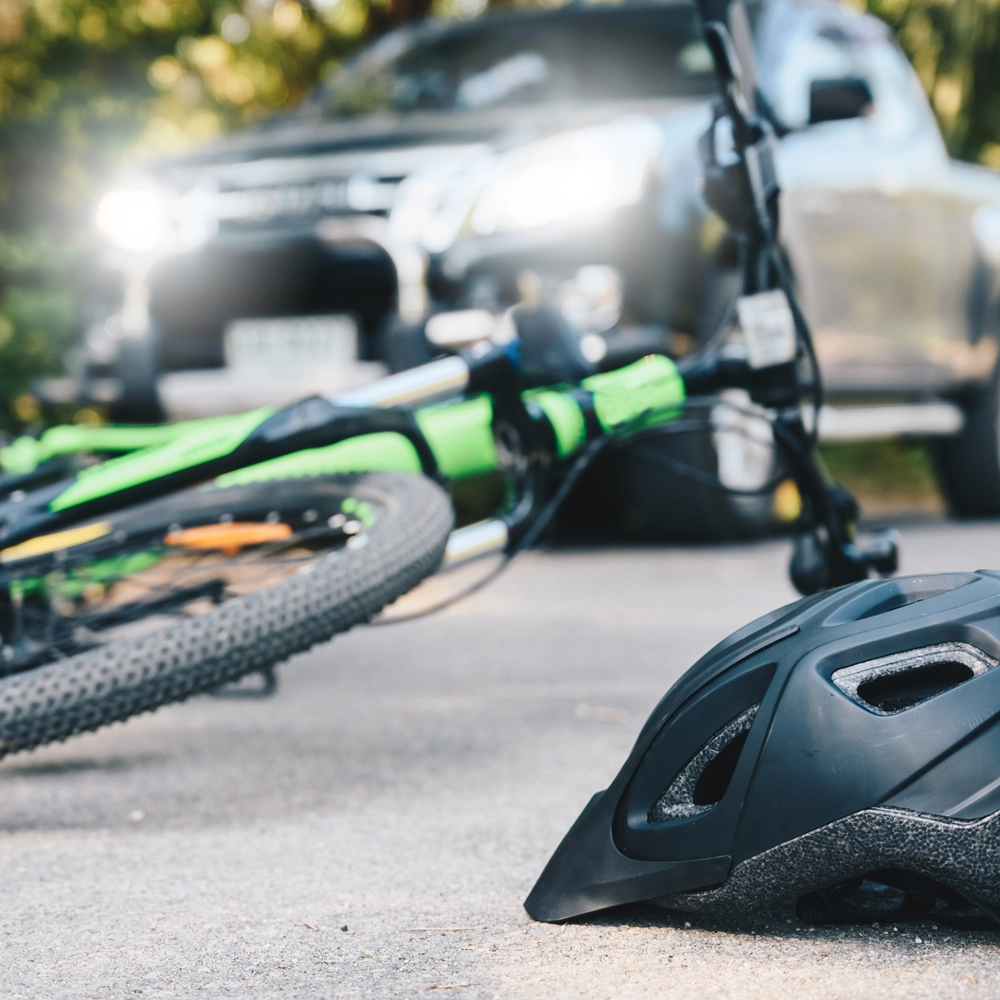

Bicycle accidents in Fort Lauderdale can have lasting physical and financial impacts. Understanding your rights under Florida law is an important step after an accident. Working with the Fort Lauderdale bicycle accident lawyers at Barnett Fenton Injury Law, P.A., can help you pursue accountability and move forward. Call us today at 954-736-3070 or fill out our online contact form to schedule your free consultation. Our office is located in Fort Lauderdale, FL, and we serve clients in the surrounding area.